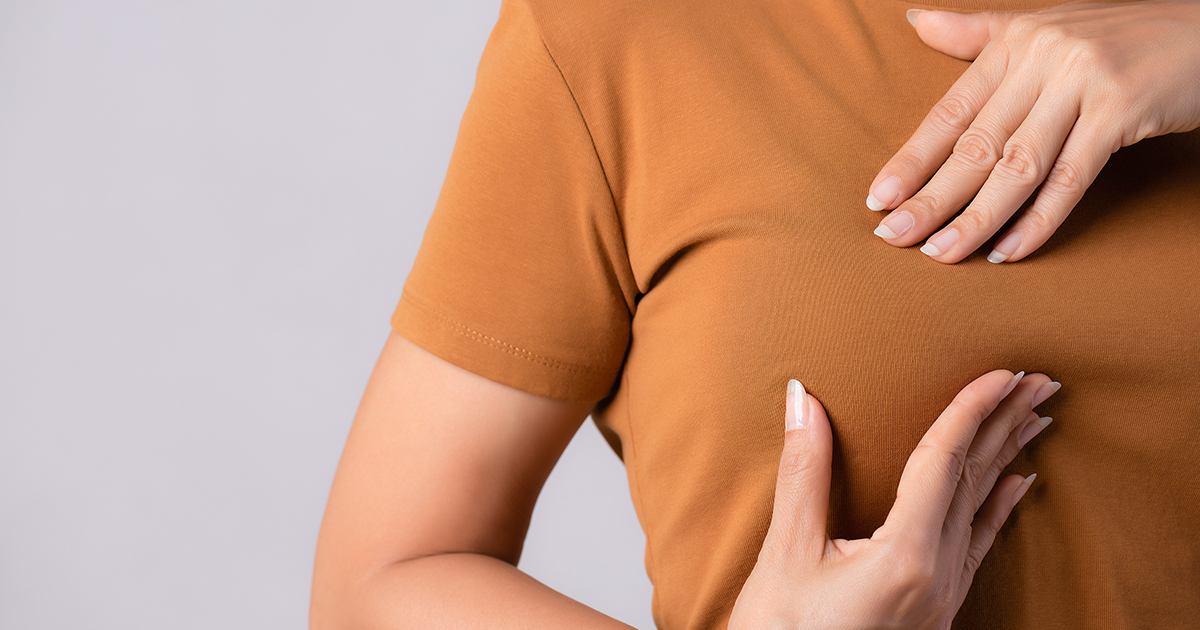
More than half of all women experience fibrocystic breast changes at some point in their life. This non-cancerous condition causes breast lumps along with pain, discomfort, or tenderness in one or both breasts.
Symptoms often appear right before your period, but they can also be chronic. Women who have experienced menopause may still be bothered by fibrocystic breast changes, especially if they are taking estrogen.
Typical advice for women who suffer from symptoms of fibrocystic breasts include taking acetaminophen or ibuprofen for pain; using heat or ice; avoiding caffeine; and wearing a supportive bra. But research shows that you may want to take a look at your iodine intake.
What is iodine?
Iodine is a trace element found naturally in certain foods and added to some table salt. It is necessary for proper thyroid functioning and the production of thyroid hormones.
Breast tissue contains a significant concentration of iodine, especially during pregnancy and lactation. Iodine appears to play a role in fibrocystic breast changes and breast cancer.
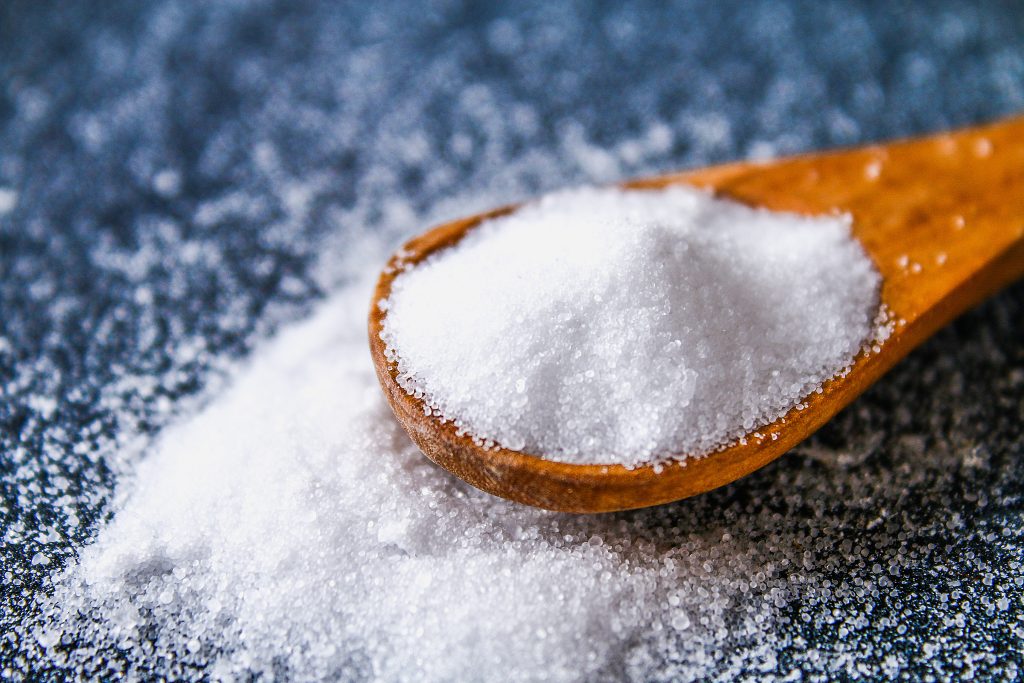
In the 1920s, the U.S. started adding iodine to table salt in what became a successful effort to decrease rates of goiter (enlarged thyroid gland) and other iodine deficiency disorders. But 100 years later, some people aren’t getting enough iodine, which is vital for fetal and infant development, as well as breast health.
How much iodine do you need?
The recommended average daily intake of iodine is 150 micrograms (mcg) for teens and adults. This increases to 220 mcg/day for pregnant women and 290 mcg/day during lactation.
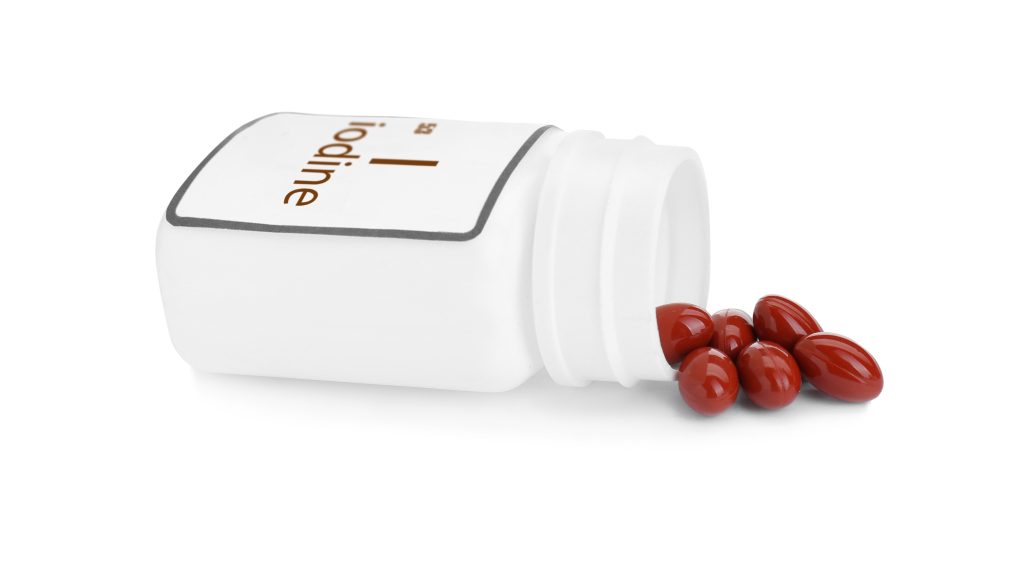
Iodine is so important for the developing fetus and growing infant that the American Thyroid Association and the American Academy of Pediatrics recommend that women who are pregnant, planning to become pregnant, or breastfeeding take a daily iodine supplement. Unfortunately, up to half of prenatal multivitamins sold in the U.S. don’t even contain iodine.
Food sources of iodine
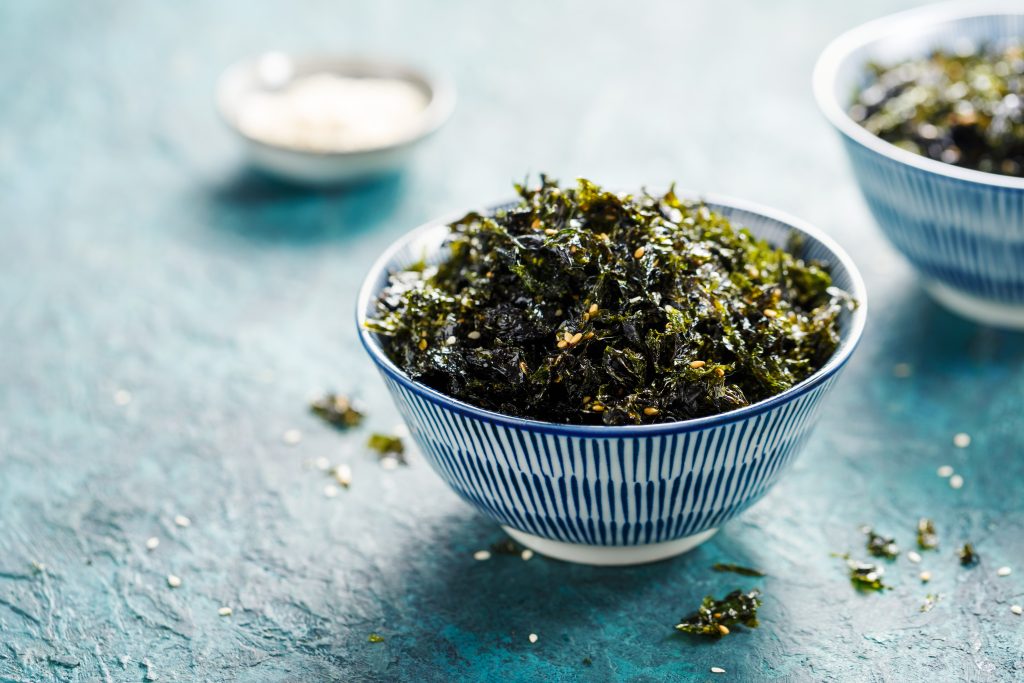
Adding iodine to table salt was an easy way to ensure that Americans consumed adequate iodine, but you can get this essential nutrient from other foods as well. These include eggs, some dairy products, seafood, and seaweed (kelp, nori, kombu, and wakame).
Here’s a look some good food sources of iodine:
| Iodine Content | % Daily Value for Iodine | |
| Iodized salt (¼ teaspoon) | 78 mcg | 52% |
| Cod (3 ounces) | 146 mcg | 97% |
| Oysters (3 ounces) | 93 mcg | 62% |
| Nori (dried, 2 tablespoons) | 116 mcg | 77% |
| Fat-free cow’s milk (1 cup) | 84 mcg | 56% |
| Greek yogurt (¾ cup) | 87 mcg | 58% |
| Egg (1 large) | 31 mcg | 21% |
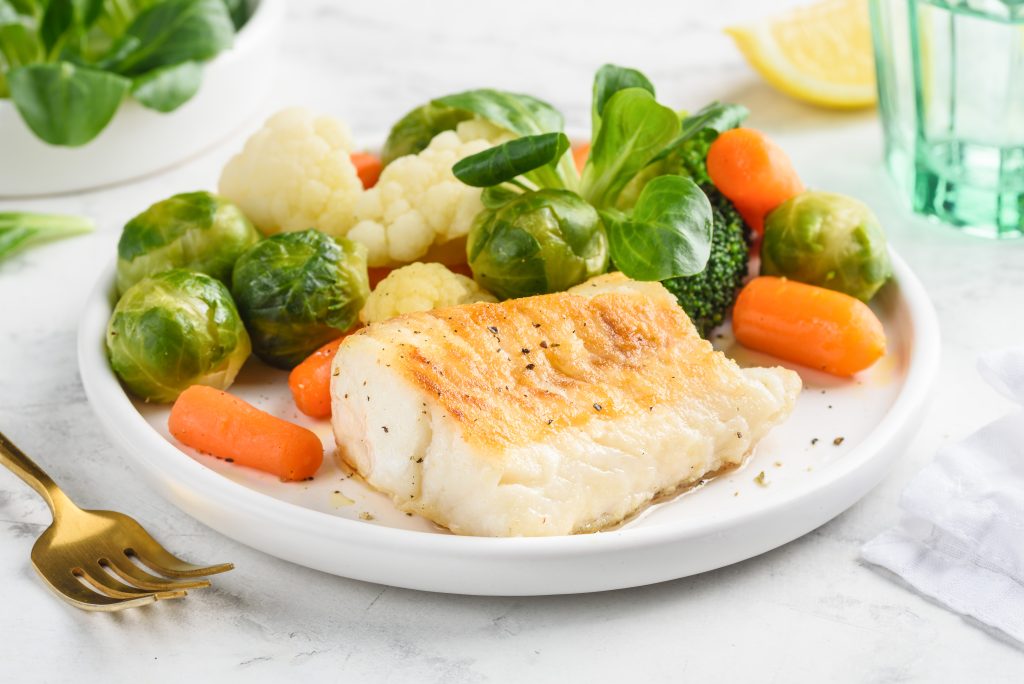
Fruits and vegetables don’t provide much, if any, iodine. You won’t find it in most breads, pasta, or rice either. One exception is bread that is made with potassium iodate or calcium iodate, which are dough conditioners that contain iodine. Only about 20% of bread and buns at the supermarket are processed this way and the dough conditioners will be listed in the list of ingredients.
Am I at risk for iodine deficiency?
Although iodine deficiency has not been a widespread issue in the U.S. since the 1940s, some life stages and dietary trends are linked to possible lower intakes of iodine.
You may be at a higher risk of not getting adequate iodine in these situations:
- If you don’t use iodized salt. Many popular specialty salts do not contain iodine, including sea salt, kosher salt, Himalayan salt, and fleur de sel. Not all table salt is iodized.
- If you are pregnant or breastfeeding. A study published in 2021 found that 23% of a sample of pregnant women in Michigan had inadequate intakes of iodine. This population is at risk especially if they don’t consume dairy or if they are restricting their salt intake.
- If you follow a vegan diet or otherwise avoid dairy or seafood. Plant-based milks are not fortified with iodine. If you don’t eat eggs or other dairy products, you’re missing out on a chance to get iodine.
Where you live can also impact iodine status, but this is mainly an issue in regions with iodine-deficient soil when people eat mostly locally grown foods.
Some foods interfere with how the body uses iodine. These include soy and vegetables like broccoli, cauliflower, Brussels sprouts, and cabbage. People who don’t get enough iodine, but who eat large amounts of these types of foods, are at risk of iodine deficiency. But most Americans don’t consume these foods in amounts that would affect their iodine status.
Is iodine related to breast health?
Researchers think there may be a link between low iodine intake and fibrocystic breasts. In several research studies, women with fibrocystic breasts who took high doses of iodine supplements reported less pain and tenderness.
The women took between 1,500 mcg and 6,000 mcg of iodine per day, which is a lot higher than what’s considered to be tolerable under normal conditions, so researchers caution that such high doses should only be taken under a health professional’s guidance.
Iodine may also play a role in preventing some types of breast cancer. Researchers note that Japanese women, who consume higher amounts of iodine through their diet, have a low incidence of breast cancer.

How is iodine deficiency diagnosed?
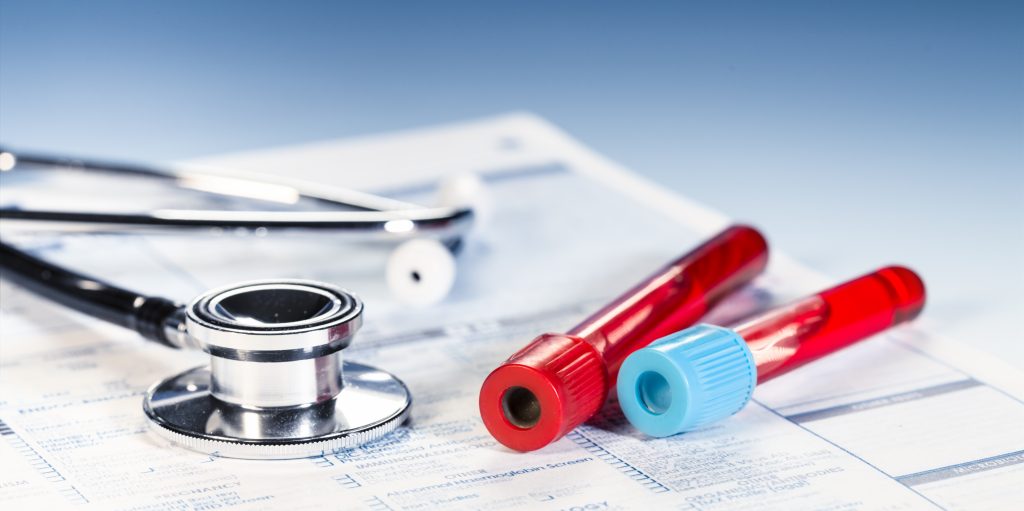
Are you curious about whether an iodine deficiency could be causing your fibrocystic breast changes? Your healthcare professional can order tests to assess your iodine levels.
A urine iodine is considered ideal, but it’s impractical for most individuals. A blood iodine may be ordered as a convenient choice. A thyroid function panel is a blood test that checks for low levels of thyroid hormones or a high level of thyroid-stimulating hormone (TSH), which indicate a possible iodine deficiency. Other tests include thyroglobulin and urinary bromine levels.
Can you consume too much iodine?
Yes! Excessive iodine can cause inflammation of the thyroid and thyroid cancer. Very high doses, like several grams, can burn the mouth, throat, and stomach, as well as cause symptoms that include stomach pain, fever, nausea, diarrhea, and even coma.
That’s why it’s best to consult with a healthcare professional before taking any iodine supplement!
If you’re suffering from painful, tender, or lumpy breasts or think you may be deficient in iodine, Advanced Integrative Wellness can help you safely address this issue with the right testing and professional, personalized advice that’s best for you.
Call 513-614-4301 or click below to schedule an appointment in our Kenwood, Cincinnati, Ohio office!
The information provided on this blog is for educational and informational purposes only. It is not intended as a substitute for professional medical advice, diagnosis, or treatment. Always seek the advice of a qualified healthcare provider with any questions you may have regarding a medical condition or treatment. Reliance on any information provided by this blog is solely at your own risk. The authors and administrators of this blog are not liable for any errors or omissions in the content or for any outcomes resulting from the use of the information provided herein.